
Open vs. Enclosed Car Transport: Which Is Right for You?
Choosing between open and enclosed car transport is an important part of planning a vehicle shipment. Both methods move vehicles between destinations, but they offer different levels of exposure, capacity, and cost. Understanding these differences can help Sacramento drivers select a service that fits their budget and vehicle requirements.
What Is Open Car Transport?
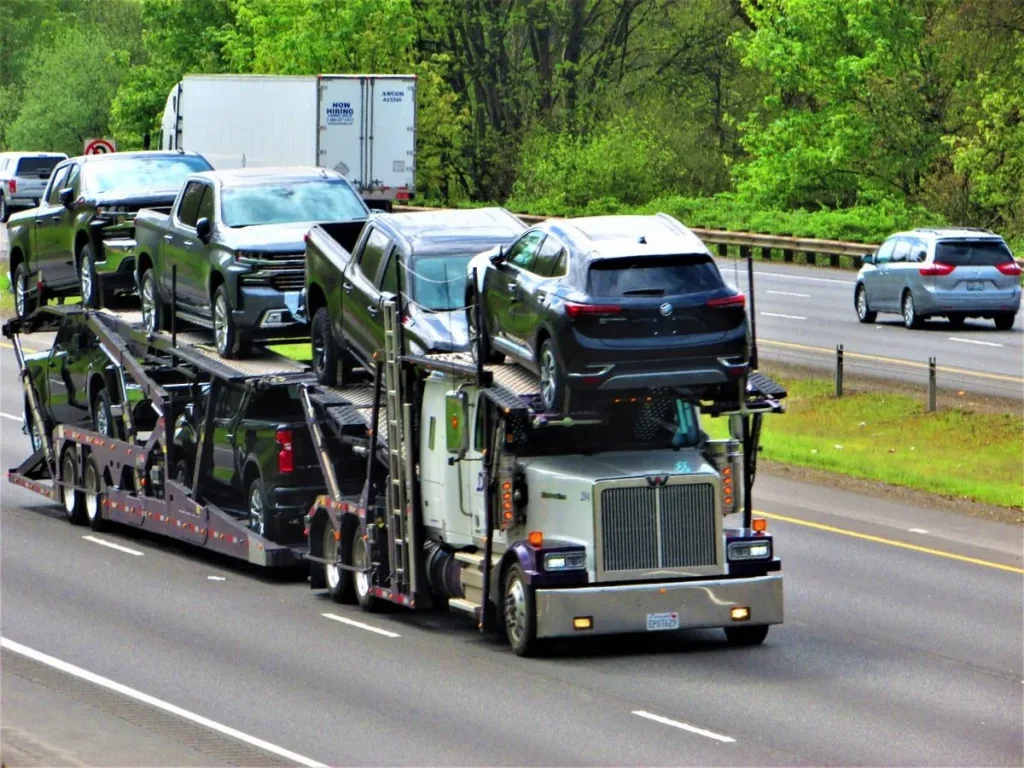
Open car transport uses a carrier with an uncovered loading platform. Multiple vehicles can be transported on the same trailer, making this one of the most widely used vehicle shipping methods.
Open transport is often suitable for sedans, SUVs, pickup trucks, family vehicles, and dealer inventory. It is generally more economical than enclosed transportation because open carriers can accommodate several vehicles on a single trip.
The primary consideration is exposure. Vehicles are exposed to ordinary outdoor conditions, including rain, dust, and road debris. This does not mean damage will occur, but open transport does not provide the same physical enclosure as a covered trailer.
What Is Enclosed Car Transport?
Enclosed car transport uses a covered trailer that surrounds the vehicles during transit. Depending on the carrier, equipment and loading methods may vary.
This option is often considered for classic automobiles, exotic sports cars, luxury vehicles, restored vehicles, and cars with high financial or sentimental value. The enclosed structure offers additional protection from weather and road debris.
Enclosed shipping typically costs more than open shipping. The price difference can depend on route distance, vehicle dimensions, trailer availability, pickup timing, and the level of service requested.
Key Differences to Consider
Protection: Enclosed transport provides a physical barrier against many outdoor elements. Open transport leaves vehicles exposed to weather and road conditions.
Cost: Open transport is usually the more budget-friendly option. Enclosed transport generally carries a premium because of specialized equipment and lower available capacity.
Vehicle suitability: Most everyday vehicles can be shipped on an open carrier. Enclosed transport may be more suitable for rare, collectible, customized, or high-value cars.
Availability: Open carriers are commonly used on many routes. Enclosed carrier availability can be more limited, so advance planning may be helpful.
Peace of mind: Some owners prefer enclosed shipping because they want additional protection for a vehicle that would be expensive or difficult to restore.
How to Choose the Best Option
Start by considering your vehicle’s value, condition, ground clearance, modifications, and intended use. A daily driver moving between Sacramento and another state may be well suited to open transport. A restored classic or a vehicle with a specialty finish may justify the added cost of an enclosed carrier.
Your budget and schedule also matter. If you need a particular pickup window, ask about carrier availability before making final arrangements.
Regardless of the method, ask about cargo insurance, coverage limits, exclusions, deductibles where applicable, inspection procedures, and the process for reporting damage. Do not assume that every possible type of loss is covered simply because a carrier has insurance.
Prepare Your Vehicle for Either Method
Remove personal belongings, photograph the vehicle, document existing damage, and disclose mechanical problems. Verify that the pickup and delivery arrangements account for vehicle dimensions and accessibility. Review the transport documents before handing over the keys.
Explore Car Shipping Options with OakLine Auto Transport
OakLine Auto Transport serves customers arranging vehicle transportation in Sacramento, California, and on state-to-state routes. If you are deciding between open and enclosed car shipping, discuss your vehicle, route, timing, and expectations before selecting a service.
Call (916) 675-0261 or visit oaklineautotransport.us to learn more about available options.